Corner Desk Notes
Storage and Cable Planning
Plan drawers, shelves, outlets, and cable paths before an L-shaped desk takes over a small room.
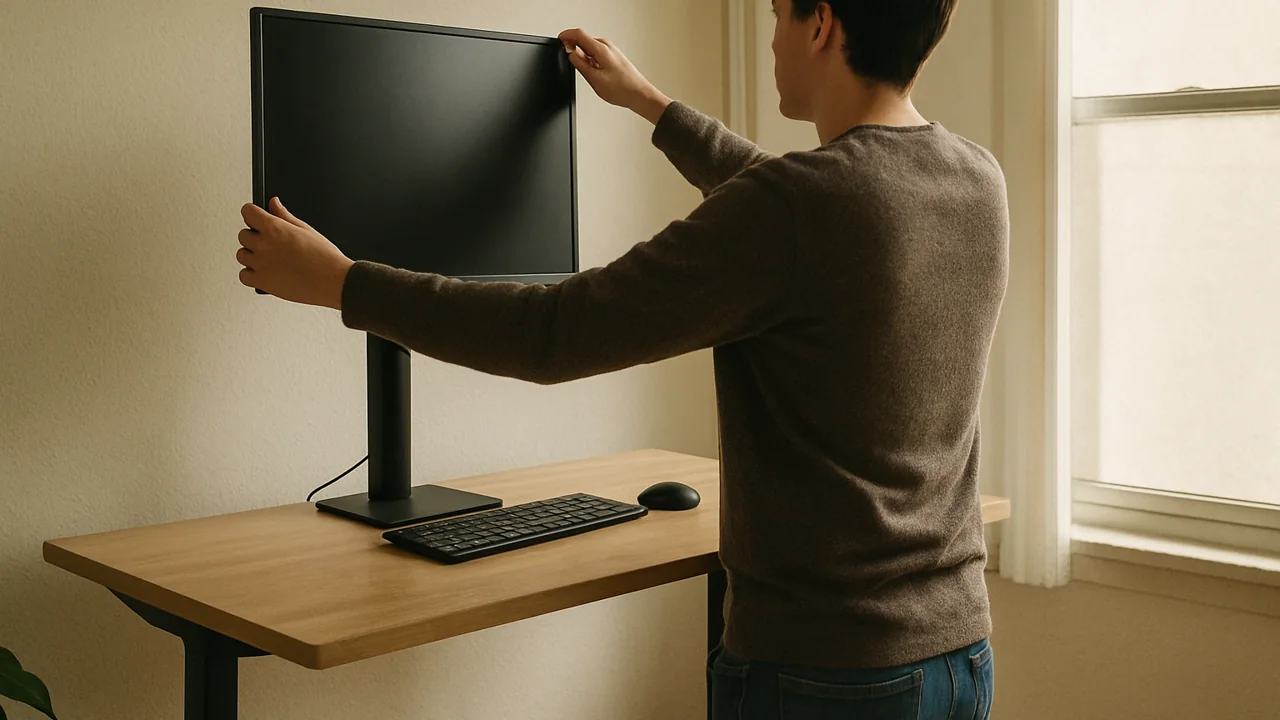
I use this part of the planning process to keep the desk choice honest. A small office does not forgive vague furniture decisions for very long. If the desk blocks the chair, hides the outlet, or gives every object a place except the one you actually reach for, the room starts feeling crowded even when the measurements looked fine.
This guide supports the main small-office L-shaped desk guide by looking closely at one decision before you compare product options.
How I use this check in a small room
In a compact office, every desk decision creates a second decision somewhere else. A wider top changes the chair path. A deeper return changes where storage can sit. A darker finish changes how heavy the corner feels. I like to slow the choice down and ask what the desk has to make easier on an ordinary workday.
The useful answer is rarely “more surface.” It is usually better zones, better reach, cleaner cables, and a desk that lets the room breathe when work is finished.
Practical checklist
- Mark the footprint with tape or boxes before ordering.
- Sit in the chair position and check knees, elbows, and screen line.
- Decide what belongs on the return side before it becomes storage overflow.
- Make sure outlets and cable paths are reachable without crossing the main work surface.
- Keep one part of the desktop open as a reset space.
Common mistake
The most common mistake is treating an L-shaped desk like a magic space saver. It can save space, but only when the return side solves a specific problem. If it blocks the door, crowds the chair, or becomes a pile of accessories, the extra surface starts working against the room.
I would rather choose a slightly calmer desk that fits the daily routine than a larger one that looks impressive for a week and then makes every movement feel negotiated.
How this connects to the whole desk plan
This is one piece of the larger small-office puzzle. Use it with the other field notes so the final desk choice is based on fit, not guesswork.
Related resource
For another workstation format, see the related guide to standing desk home office planning.
FAQ
What is the first thing to check?
Start with the room movement and chair clearance before judging the desktop size.
Should the return side be large?
Only if it has a clear job and the room can still move comfortably around it.
Can this work in a bedroom or shared room?
Yes, if the desk has calmer visual weight and can be reset quickly after work.
Do T2 guides link to product pages?
These support notes point back to the main desk guide so the buying step stays organized.
What makes a compact desk comfortable?
Comfort comes from screen alignment, keyboard reach, chair path, light, and a surface that does not force twisting.